
[운영자금] 상담신청Understanding Freezer Energy Efficiency Class C: Implications, Benefits, and FAQsWhen shopping for a freezer or any significant home appliance, energy efficiency is often a substantial factor to consider for consumers. Freezers include different energy efficiency rankings, with Class C being among them. This blog site post explores what Class C indicates, its ramifications for energy consumption and expenses, its benefits, and how it compares with other efficiency classes. What is Energy Efficiency Class C?Energy efficiency rankings in appliances are figured out by numerous standards, reflecting how effectively they utilize electrical energy. Class C shows a moderate level of energy efficiency. It falls on the lower end of the energy efficiency scale, which ranges from Class A (the most efficient) to Class G (the least effective). 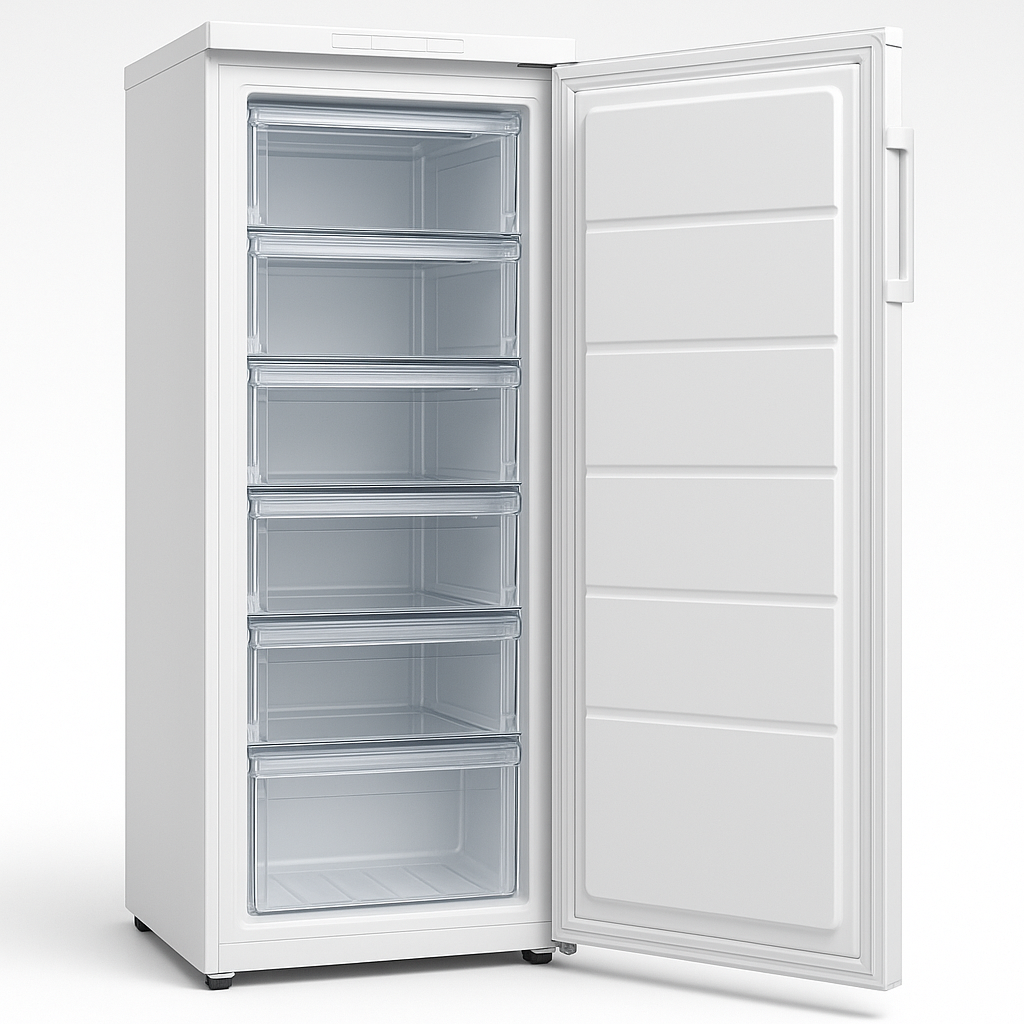 These ratings are usually appointed based on standardized tests determining the freezer's energy consumption over a specific period. Class C appliances take in more energy than Classes A and B, making them less favorable in regards to functional costs and ecological effect. Energy Efficiency Class Ratings Overview
Implications of Class C FreezersWhile Class C freezers are designed to offer adequate efficiency for many household requirements, there are a few essential implications to think about:
Benefits of Class C FreezersWhile Class C freezers may not be the most energy-efficient choice, they have their advantages:
Contrasts with Energy Efficiency ClassesClass C freezers stand at a crossroads of efficiency. Here's how they compare to other classes:
A Comparative Table
Typical FAQs About Freezer Energy Efficiency Class CQ1: How much more does a Class C freezer cost to run every year compared to a Class A?A: A Class C freezer may cost approximately 20-30% more to operate every year compared to a Class A. For an in-depth expense analysis, dividing the yearly kWh intake of both designs Side By Side Kühlschrank Preis the local energy rate can give a clearer image. Q2: Are there any rebates or incentives for buying energy-efficient appliances?A: Yes, lots of regional and nationwide programs offer incentives for acquiring A or B ranked appliances. Examine with local energy business or federal government programs for details. Q3: Is it possible to improve the energy efficiency of a Class C freezer?A: Yes, routine maintenance such as cleaning up coils, organizing items to permit correct air flow, and ensuring door seals are tight can assist enhance efficiency. Q4: Can I convert my existing Class C freezer to be more energy efficient?A: Kleine Gefriertruhe Kühlschrank Test 2025 (https://git.anorz.com/gefrierschrank-online-shop6444/side-by-side-refrigerator-black-with-Water-dispenser-and-ice-cube-maker2010/wiki/What Is Buy White Goods Cheaply%3F And How To Make Use Of It) While you can't convert an existing freezer class, you can execute energy-saving practices, such as keeping the freezer complete (but not overcrowded)and Gefriertruhe Günstig Kaufen adjusting the temperature setting. Q5: Would it be much better to buy a greater class freezer for Online Haushaltsgeräte Bestellen long-term savings?A: Generally, buying a higher-rated freezer( Classes A or B) can lead to long-lasting cost savings due to lower energy bills. This also promotes environmental sustainability. Class C freezers offer a viable 상세내용
 |
캐피탈할부
사이트명 : 캐피탈할부 | 등록업체명 : 주식회사 모든S&B | 대표 : 윤홍걸 | 담당자 : 윤기홍 사업자등록번호 : 301 86 24874 | 대표번호 : 010-5492-1177
모든S&B는 화물차 오토론 전문 수탁법인으로 대부업법상 대부중개업 등록 대상이 아닙니다.
[대출금리 : 연 6.6% ~ 19.9% (차등적용)] [연체금리 : 대출금리 + 3%] [조기상환수수료율 3%]
중개수수료를 요구하거나 받는 행위는 불법입니다. 대출 진행 후 귀하의 신용등급이 하락할 수 있습니다.
본사 : 인천광역시 연수구 청량로 102번길 34 3층
청주지점 : 충청북도 청주시 청원구 무심동로 646 3층
Copyright ⓒ 모든종합할부 All rights reserved.
